

As How to Find Fleet Maintenance Software That Fits Your Budget takes center stage, this opening passage beckons readers into a world crafted with good knowledge, ensuring a reading experience that is absorbing and distinctly original.
Exploring the key features, benefits, and types of fleet maintenance software sets the stage for an insightful discussion ahead.
Understanding Fleet Maintenance Software
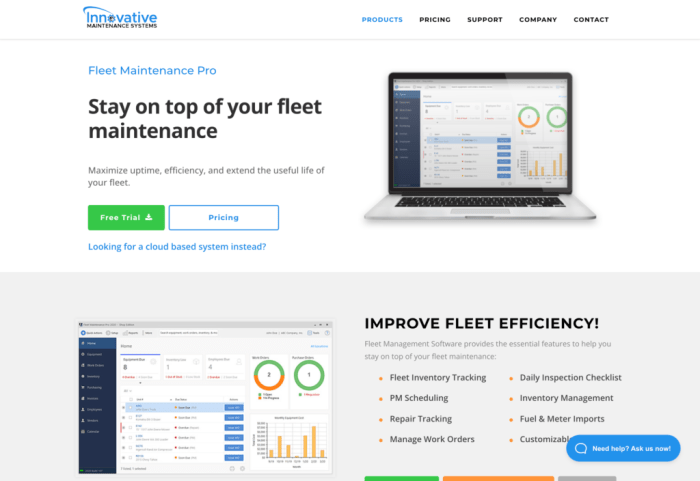
Fleet maintenance software is a specialized tool designed to help businesses effectively manage their fleet of vehicles. It offers a range of features to streamline maintenance processes, monitor vehicle health, and optimize fleet operations.
Key Features of Fleet Maintenance Software
- Automated maintenance scheduling
- Vehicle tracking and diagnostics
- Inventory management for spare parts
- Cost tracking and reporting
- Compliance management with regulations
Benefits of Using Fleet Maintenance Software for Budget Management
- Reduced downtime and maintenance costs
- Improved fuel efficiency and overall performance
- Enhanced safety and compliance with regulations
- Better decision-making through data-driven insights
Types of Fleet Maintenance Software Available
- Enterprise fleet management systems
- Cloud-based fleet maintenance software
- Mobile fleet management apps
- Open-source fleet maintenance solutions
Assessing Budget Constraints
Setting a budget for fleet maintenance software is crucial for businesses of all sizes. It helps in controlling costs, making informed decisions, and ensuring that the software chosen aligns with the financial capabilities of the company.
Cost-Effective Fleet Maintenance Software Solutions
- [Fleetio](https://www.fleetio.com/): Fleetio offers a user-friendly interface and comprehensive features at an affordable price point, making it a cost-effective solution for small to medium-sized fleets.
- [UpKeep](https://www.onupkeep.com/): UpKeep provides a mobile-first solution that is easy to use and offers various pricing plans suitable for businesses with different budget constraints.
- [EZOfficeInventory](https://www.ezofficeinventory.com/): EZOfficeInventory is a versatile software that not only helps with fleet maintenance but also asset tracking, providing good value for money.
Evaluating Total Cost of Ownership
When considering budget constraints, it is essential to look beyond the initial purchase price of the software. Evaluating the total cost of ownership involves taking into account factors such as:
- The cost of implementation and training for employees
- Potential additional fees for customization or integrations
- Subscription fees, maintenance costs, and ongoing support expenses
- The scalability of the software to meet future needs without incurring significant costs
By assessing the total cost of ownership, businesses can make an informed decision that not only fits their budget but also provides long-term value and efficiency in fleet maintenance operations.
Researching Software Options
When it comes to finding the right fleet maintenance software for your budget, researching various software options is crucial. This process involves exploring different providers, comparing features, and assessing pricing models to ensure you get the best value for your money.
Comparing Pricing Models
One important aspect of researching fleet maintenance software options is comparing the pricing models offered by different providers. Some software providers may offer a subscription-based model, while others may charge a one-time fee. It's essential to consider your budget and long-term needs to choose a pricing model that aligns with your financial goals.
- Subscription-Based Model: This model typically involves paying a monthly or annual fee to use the software. While it may require ongoing payments, it can be a cost-effective option for businesses that prefer predictable expenses.
- One-Time Fee Model: With this model, you pay a one-time upfront cost to purchase the software. While it may involve a larger initial investment, it can be a more affordable option in the long run for businesses that plan to use the software for an extended period.
Reading Reviews and Testimonials
Another crucial step in researching software options is reading reviews and testimonials from other users. Reviews can provide valuable insights into the software's performance, ease of use, customer support, and overall satisfaction. By reading reviews and testimonials, you can gain a better understanding of the software's strengths and weaknesses, helping you make an informed decision.
Customization and Scalability
When choosing fleet maintenance software, customization and scalability play crucial roles in ensuring that the software fits your budget and meets your specific needs.
Importance of Customizable Fleet Maintenance Software
Customization allows you to tailor the software to your unique requirements, ensuring that you only pay for the features you need. By customizing the software, you can eliminate unnecessary functionalities that may contribute to higher costs. For example, you can choose to include modules that are essential to your fleet operations while excluding those that are not relevant.
Impact of Scalability on Budget-Friendliness
Scalability refers to the software's ability to grow and adapt to your changing needs over time. Opting for scalable fleet maintenance software can be cost-effective in the long run as it eliminates the need to switch to a new system as your fleet expands.
This flexibility ensures that you can continue using the software without incurring additional costs for upgrades or migrations.
Features Tailored to Fit Budget Requirements
- Customizable reporting tools to track expenses and identify cost-saving opportunities
- Flexible pricing plans that allow you to scale up or down based on your budget constraints
- Integration capabilities with existing systems to streamline processes and reduce implementation costs
- Customizable dashboards for real-time visibility into fleet maintenance activities and budget allocation
Integration and Compatibility
When selecting fleet maintenance software, it is crucial to consider how well it integrates with your existing systems to ensure smooth operations and data flow. Compatibility issues can lead to increased costs in the long run, as they may require additional resources to resolve and could disrupt daily operations.
Here are some tips to ensure seamless integration and compatibility with other software used by the fleet.
Significance of Integration
Choosing fleet maintenance software that integrates well with existing systems is essential for streamlining operations and maximizing efficiency. Seamless integration allows for data sharing between different platforms, eliminating the need for manual data entry and reducing the risk of errors.
It also enables real-time updates and ensures that all systems are working harmoniously together.
Impact on Budget
Compatibility issues can significantly impact the budget in the long run. Resolving integration problems may require hiring external consultants or developers, leading to additional costs. Moreover, downtime caused by compatibility issues can result in lost productivity and revenue. By selecting software that is compatible with your current systems, you can avoid these unexpected expenses and ensure a more cost-effective maintenance solution.
Tips for Ensuring Compatibility
- Conduct thorough research to understand the compatibility requirements of your fleet maintenance software with other systems.
- Choose software that offers flexible integration options, such as APIs or middleware, to easily connect with existing software.
- Collaborate with your IT team to assess the compatibility of the software with your infrastructure and identify any potential issues beforehand.
- Test the software in a simulated environment to ensure that it works seamlessly with your current systems before full implementation.
- Regularly update and maintain the software to address any compatibility issues that may arise due to system updates or changes in your infrastructure.
Concluding Remarks
In conclusion, finding fleet maintenance software that fits your budget involves a strategic approach that balances cost-effectiveness with necessary features. Dive into the realm of budget-friendly software armed with newfound knowledge and confidence.
Clarifying Questions
How do I set a budget for fleet maintenance software?
Setting a budget involves considering your fleet size, required features, and long-term cost implications.
What are examples of cost-effective fleet maintenance software solutions?
Some cost-effective options include cloud-based software with scalable pricing plans and open-source solutions.
Why is customization important in fleet maintenance software?
Customization allows you to tailor features to your specific budget requirements and operational needs.
How can compatibility issues affect the budget when choosing software?
Compatibility issues can lead to additional costs for integration or system adjustments, impacting the overall budget.
What tips can help ensure seamless integration with other software used by the fleet?
Ensure compatibility by choosing software that offers robust integration capabilities and conducting thorough testing before full implementation.