
As Auto Policy Quotes Explained: From Liability to Collision takes center stage, this opening passage beckons readers with engaging insights into the world of auto insurance coverage. From understanding liability to navigating collision scenarios, this discussion aims to shed light on the complexities of policy quotes in a clear and informative manner.
Types of Auto Insurance Coverage
When it comes to auto insurance, there are different types of coverage that serve various purposes. Understanding the differences between liability, collision, and comprehensive coverage is essential in making sure you have the right protection for your vehicle.
Liability Coverage
Liability coverage is the most basic type of auto insurance and is required in most states. It helps cover the costs associated with injuries or damages to other people or their property if you are at fault in an accident.
For example, if you rear-end another car and it's determined to be your fault, liability coverage would help cover the other driver's medical bills and car repairs.
Collision Coverage
Collision coverage helps pay for repairs to your own vehicle if you are involved in an accident, regardless of fault. This type of coverage is especially important if you have a newer or more expensive car that would be costly to repair or replace.
For instance, if you hit a tree and damage the front end of your car, collision coverage would help cover the repair costs.
Comprehensive Coverage
Comprehensive coverage protects your vehicle from non-collision related incidents, such as theft, vandalism, or natural disasters. If your car is stolen or damaged in a hailstorm, comprehensive coverage would help cover the costs of repairs or replacement. This coverage is essential for protecting your car from a wide range of potential risks.Having a well-rounded auto insurance policy that includes all necessary coverage types is crucial to ensure you are adequately protected in various situations.
While liability coverage is typically required by law, adding collision and comprehensive coverage can provide additional peace of mind and financial protection in case of unexpected events. By understanding the differences between these coverage types and their importance, you can make informed decisions when selecting the right auto insurance policy for your needs.
Understanding Liability Coverage
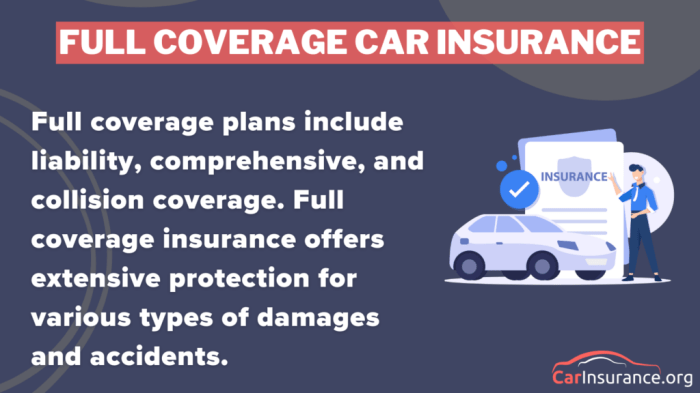
Liability coverage is a crucial component of auto insurance that protects drivers financially if they are found responsible for causing an accident. This coverage helps pay for the other party's medical bills, vehicle repairs, and other damages resulting from the accident.
Minimum Liability Coverage Requirements
Each state in the U.S. sets its own minimum requirements for liability coverage that drivers must carry. These minimum limits typically consist of two components:
- Bodily Injury Liability: This covers medical expenses and other costs associated with injuries caused to others in an accident.
- Property Damage Liability: This covers damage to other vehicles or property caused by the insured driver.
Benefits of Higher Liability Coverage Limits
While meeting the minimum liability requirements is essential, opting for higher coverage limits can offer additional protection. Some benefits of having higher liability coverage include:
- Increased Financial Protection: Higher coverage limits can protect you from having to pay out-of-pocket for expenses that exceed the minimum limits.
- Legal Compliance: Some states may require higher liability limits for certain driving situations, such as for drivers with a history of accidents or violations.
- Peace of Mind: Knowing you have sufficient coverage in the event of a severe accident can provide peace of mind and reduce financial stress.
Explaining Collision Coverage
Collision coverage is a type of auto insurance that helps pay for repairs to your vehicle if you're involved in a collision with another vehicle or object, regardless of who is at fault. This coverage is designed to protect your vehicle in case of physical damage resulting from a crash.
What Collision Coverage Includes and How It Functions
Collision coverage typically includes damages to your car caused by a collision with another vehicle, hitting a stationary object like a tree or a pole, or if your car rolls over. In the event of an accident, you will need to pay a deductible before the insurance kicks in to cover the remaining repair costs.
The insurance company will then pay for the repair up to the actual cash value of your vehicle at the time of the accident.
Scenarios Where Collision Coverage Would Be Beneficial
- If you're at fault in an accident, collision coverage can help cover the costs of repairing your vehicle.
- If your car is damaged in a hit-and-run accident, collision coverage can step in to cover the repairs.
- If you collide with an object like a guardrail, collision coverage can help pay for the damages.
Factors Impacting Collision Coverage Rates
- Your driving history and record of accidents can impact the cost of collision coverage. Drivers with a history of accidents may pay higher rates.
- The value of your vehicle and its likelihood of being involved in a collision can affect the cost of collision coverage. Newer, more expensive vehicles may have higher rates.
- The deductible you choose can also impact your collision coverage rates. A lower deductible typically means higher premiums.
Navigating Comprehensive Coverage
Comprehensive coverage is a type of auto insurance that provides protection against damages to your vehicle that are not caused by a collision. This includes incidents such as theft, vandalism, natural disasters, or hitting an animal on the road. It is an optional coverage but can be valuable for many drivers looking to protect their investment in their vehicle.
Scope of Protection
Comprehensive coverage protects your vehicle from a wide range of non-collision related damages. This can include:
- Damages from fire
- Damage from falling objects
- Damage from severe weather conditions like hail or windstorms
- Animal collisions
- Theft or vandalism
Usefulness of Comprehensive Coverage
Comprehensive coverage can be particularly useful in the following situations:
- If you live in an area prone to natural disasters
- If you park your car in a high-crime area
- If you want to protect your vehicle from a variety of risks beyond collisions
Comparison with Other Coverage
Comprehensive coverage differs from collision coverage in that it covers damages not related to a collision. While collision coverage protects your vehicle in the event of a crash with another vehicle or object, comprehensive coverage provides protection from a broader range of risks.
Together, these two coverages offer comprehensive protection for your vehicle in various scenarios.
Factors Influencing Auto Policy Quotes
When it comes to calculating auto insurance quotes, there are several key factors that insurance companies take into consideration. These factors play a crucial role in determining the overall cost of your auto insurance policy. Let's delve into the main factors that influence auto policy quotes.
Personal Factors Impacting Policy Quotes
- Your Age: Younger drivers, especially those under 25, tend to pay higher premiums due to their lack of driving experience and higher risk profile.
- Driving Record: A clean driving record with no accidents or traffic violations can lead to lower insurance rates, while a history of accidents or tickets can result in higher premiums.
- Location: Where you live can impact your insurance rates, with urban areas typically having higher rates due to increased traffic congestion and crime rates.
Vehicle and Coverage Factors Affecting Policy Quotes
- Type of Vehicle: The make and model of your car, its safety features, and its likelihood of theft or damage all influence your insurance rates.
- Coverage Limits: The amount of coverage you choose, including liability limits and optional coverages, directly impacts your premium costs.
- Deductible Choices: Your deductible, or the amount you pay out of pocket in the event of a claim, can affect your insurance rates – a higher deductible typically results in lower premiums.
Concluding Remarks
In conclusion, Auto Policy Quotes Explained: From Liability to Collision provides a comprehensive look at the key aspects of auto insurance coverage. By delving into the nuances of liability, collision, and comprehensive coverage, readers can better grasp the factors influencing policy quotes and make informed decisions when selecting an auto insurance policy.
FAQ Resource
What does liability coverage entail?
Liability coverage protects drivers financially if they are found responsible for causing an accident that injures someone or damages property.
How does collision coverage work in the event of an accident?
Collision coverage helps pay for repairs to your vehicle if you're involved in a collision with another car or object.
What factors impact auto policy quotes?
Factors like age, driving record, location, type of vehicle, coverage limits, and deductible choices can all influence the cost of auto insurance quotes.