

Embarking on the journey of Fleet Maintenance Planning: The Complete 2025 Guide, readers will uncover the latest trends and innovations shaping the future of fleet management. From sustainable practices to cutting-edge technologies, this guide offers a comprehensive view of what lies ahead in the world of fleet maintenance planning.
Exploring the key aspects of fleet maintenance planning in the upcoming years, this guide aims to provide valuable insights and practical advice for businesses looking to stay ahead of the curve.
Fleet Maintenance Planning Overview
Effective fleet maintenance planning is crucial in 2025 to ensure the smooth operation of vehicles, minimize downtime, and extend the lifespan of the fleet. It involves strategic scheduling, regular inspections, and timely repairs to keep the fleet in optimal condition.
Key Components of an Effective Fleet Maintenance Plan
- Regular Inspections: Scheduled checks and routine maintenance to prevent unexpected breakdowns.
- Diagnostic Tools: Utilizing advanced technology for efficient monitoring and diagnosis of vehicle issues.
- Preventive Maintenance: Addressing potential problems before they escalate to major repairs.
- Inventory Management: Ensuring availability of necessary parts and supplies for maintenance tasks.
- Data Analysis: Utilizing data to track performance, identify trends, and make informed decisions.
Challenges Addressed by Fleet Maintenance Planning
- Cost Control: Effective planning helps reduce overall maintenance costs by minimizing emergency repairs and optimizing resources.
- Downtime Reduction: Proactive maintenance planning decreases downtime, ensuring vehicles are operational when needed.
- Compliance Management: Meeting regulatory requirements through proper maintenance scheduling and documentation.
- Safety Enhancement: Regular maintenance improves vehicle safety, reducing the risk of accidents due to mechanical failures.
Emerging Technologies in Fleet Maintenance
With advancements in technology, fleet maintenance practices have been revolutionized by cutting-edge solutions. Artificial Intelligence (AI) and Internet of Things (IoT) are playing a significant role in transforming how fleet maintenance planning is conducted. Predictive analytics, powered by AI and IoT, are becoming increasingly prevalent in optimizing fleet maintenance operations.
Artificial Intelligence (AI) in Fleet Maintenance
AI algorithms are being used to analyze large volumes of data collected from vehicles in real-time. By processing this data, AI can predict potential maintenance issues before they occur, allowing fleet managers to proactively address maintenance needs and prevent breakdowns.
Internet of Things (IoT) in Fleet Maintenance
IoT devices installed in vehicles enable real-time monitoring of various parameters such as engine performance, fuel consumption, and tire pressure. This constant stream of data allows fleet managers to track the health of their vehicles and schedule maintenance based on actual usage and performance, rather than fixed schedules.
Predictive Analytics in Fleet Maintenance
Predictive analytics uses historical data, real-time information from IoT devices, and AI algorithms to forecast when maintenance is required. By analyzing patterns and trends, fleet managers can optimize maintenance schedules, reduce downtime, and extend the lifespan of their vehicles.
Sustainable Practices in Fleet Maintenance
Implementing sustainable practices in fleet maintenance is crucial for reducing environmental impact and improving operational efficiency. By adopting eco-friendly initiatives, companies can not only lower their carbon footprint but also save costs in the long run.
Benefits of Sustainable Practices in Fleet Maintenance
- Reduced fuel consumption and lower emissions, leading to cleaner air and a healthier environment.
- Extended vehicle lifespan through proper maintenance practices, resulting in reduced need for new vehicle purchases.
- Enhanced brand reputation and customer loyalty by showcasing a commitment to sustainability.
- Compliance with environmental regulations and standards, avoiding fines and penalties.
Case Studies of Green Strategies in Fleet Maintenance
Several companies have successfully integrated sustainable practices into their fleet maintenance operations, setting examples for others to follow:
Company X implemented a telematics system to optimize route planning and reduce fuel consumption by 15%.
Company Y switched to electric vehicles for a portion of their fleet, resulting in significant reductions in greenhouse gas emissions.
Company Z introduced a tire maintenance program that not only improved fuel efficiency but also reduced tire waste through proper disposal and recycling.
Data-Driven Decision Making
Data analytics plays a crucial role in guiding fleet maintenance decisions by providing valuable insights based on the analysis of various data points. This data-driven approach helps fleet managers make informed decisions to optimize maintenance schedules, reduce downtime, and improve overall fleet performance.
Types of Data Collected and Analyzed
Data collected for effective fleet maintenance planning includes vehicle usage data, maintenance records, fuel consumption data, diagnostic information from onboard systems, and real-time monitoring data. By analyzing these data points, fleet managers can identify trends, patterns, and potential issues proactively.
- Vehicle Usage Data: This includes mileage, engine hours, and operational patterns to track vehicle usage and identify maintenance needs based on usage patterns.
- Maintenance Records: Keeping track of maintenance history helps in predicting future maintenance needs and scheduling preventive maintenance tasks.
- Fuel Consumption Data: Monitoring fuel consumption can indicate issues with engine performance or efficiency, prompting timely maintenance action.
- Diagnostic Information: Data from onboard diagnostic systems provide insights into the health of vehicle components and systems, allowing for preemptive maintenance actions.
- Real-Time Monitoring Data: Utilizing telematics and IoT devices, real-time data on vehicle performance, location, and driver behavior can be analyzed for immediate maintenance interventions.
Benefits of Data-Driven Decision Making
Data-driven decision-making in fleet maintenance leads to improved fleet performance, reduced downtime, and cost savings. By leveraging data analytics, fleet managers can:
- Enhance Maintenance Planning: Predictive analytics can forecast maintenance needs, enabling proactive scheduling and reducing unplanned downtime.
- Optimize Maintenance Costs: By identifying maintenance trends and patterns, fleet managers can optimize maintenance schedules and reduce overall costs.
- Improve Vehicle Reliability: Data analysis helps in identifying potential issues before they escalate, ensuring vehicles are reliable and safe for operation.
- Enhance Asset Utilization: Efficient maintenance planning based on data insights maximizes fleet utilization and minimizes idle time.
Outsourcing vs. In-House Fleet Maintenance
When it comes to fleet maintenance, companies often face the decision of whether to handle maintenance in-house or outsource it to a third-party provider. Each approach comes with its own set of advantages and disadvantages, making it crucial for fleet managers to carefully weigh their options before making a decision.
Advantages and Disadvantages of Outsourcing Fleet Maintenance
Outsourcing fleet maintenance can provide several benefits, such as cost savings, access to specialized expertise, and increased operational efficiency. However, it also comes with drawbacks like reduced control over the maintenance process and potential communication challenges with the service provider.
Factors to Consider when Deciding Between In-House or Outsourced Maintenance
- Cost considerations, including initial investment and long-term savings
- Level of expertise required for specialized maintenance tasks
- Availability of in-house resources and capacity
- Risk management and liability implications
- Overall strategic goals and alignment with core business functions
Best Practices for Integrating Outsourced Services into Fleet Maintenance Planning
- Clearly define roles and responsibilities for both in-house and outsourced teams
- Establish key performance indicators (KPIs) to measure the effectiveness of outsourced services
- Regularly communicate and collaborate with the service provider to ensure alignment with business objectives
- Conduct periodic reviews and evaluations to assess the impact of outsourcing on fleet performance
- Continuously seek opportunities for improvement and optimization in the outsourcing arrangement
Training and Skills Development
Training programs for fleet maintenance staff are crucial in ensuring that technicians are equipped with the necessary knowledge and skills to effectively maintain and repair vehicles. These programs help improve efficiency, reduce downtime, and enhance overall fleet performance. Continuous learning and upskilling in the fleet maintenance industry are essential to keep up with technological advancements and industry best practices.
Key Skills for Future Fleet Maintenance Technicians
- Proficiency in diagnostic tools and software for troubleshooting electronic systems.
- Knowledge of hybrid and electric vehicle technologies for servicing alternative fuel vehicles.
- Strong understanding of preventive maintenance practices to minimize breakdowns and extend vehicle lifespan.
- Effective communication skills for interacting with team members and reporting maintenance issues.
- Ability to adapt to changing industry trends and regulations to ensure compliance.
Strategies for Continuous Learning and Upskilling
- Encourage technicians to attend training workshops, seminars, and industry conferences to stay updated on new technologies and techniques.
- Implement a mentorship program where experienced technicians can share their knowledge and skills with newer team members.
- Provide online learning resources and certifications to help technicians enhance their expertise in specific areas of fleet maintenance.
- Offer opportunities for on-the-job training and hands-on experience to apply theoretical knowledge in real-world scenarios.
- Establish a culture of continuous improvement and professional development within the fleet maintenance team to foster growth and innovation.
Conclusion
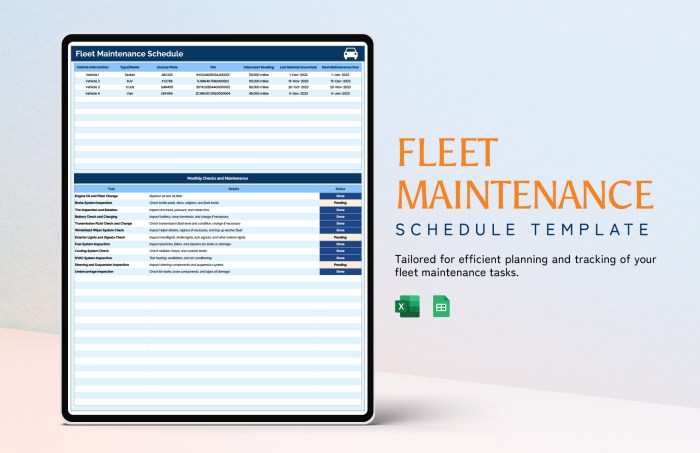
In conclusion, Fleet Maintenance Planning: The Complete 2025 Guide equips readers with the knowledge and tools necessary to navigate the evolving landscape of fleet management. By embracing emerging technologies, sustainable practices, and data-driven decision-making, businesses can optimize their fleet operations for success in the years to come.
FAQ Insights
What are the benefits of incorporating sustainable practices in fleet maintenance?
Answer: Sustainable practices in fleet maintenance lead to reduced environmental impact, cost savings through improved efficiency, and enhanced brand reputation.
How does data-driven decision-making improve fleet performance?
Answer: Data-driven decision-making enables fleet managers to optimize maintenance schedules, predict equipment failures, and enhance overall operational efficiency.
What are the key skills required for future fleet maintenance technicians?
Answer: Future fleet maintenance technicians need skills in emerging technologies, data analysis, problem-solving, and adaptability to drive innovation in fleet management.